
How Does the Toyota Prius Hybrid System Work? A Simple Guide for Owners

Tyler Turnage • July 15, 2026

Understanding How Your Prius Saves Fuel
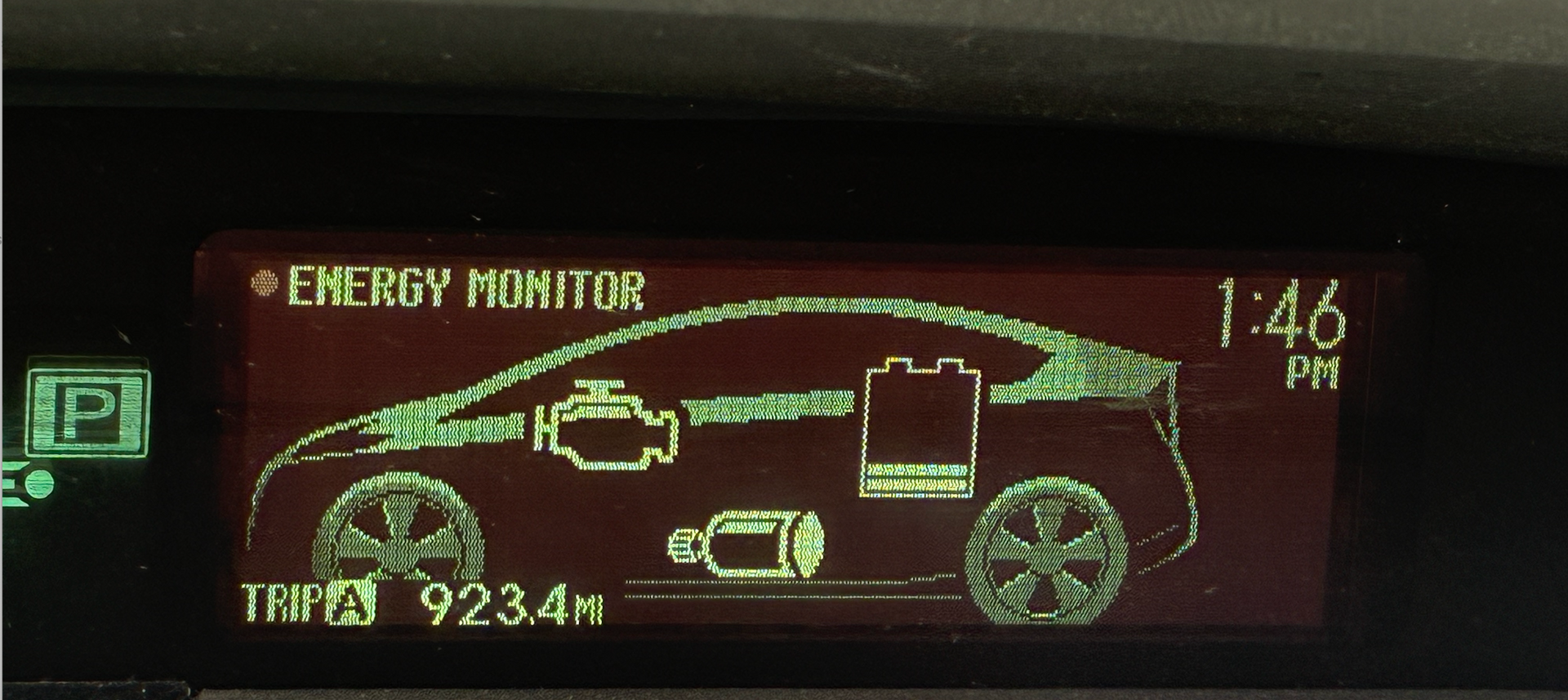
One of the biggest reasons the Toyota Prius is known for exceptional fuel economy is its hybrid system. Instead of relying only on a gasoline engine, the Prius intelligently switches between a gasoline engine and an electric motor to maximize efficiency.

If you've ever looked at your Prius Energy Monitor and wondered what the arrows, battery icon, and engine symbols mean, you're not alone.

This guide explains how the Toyota Prius hybrid system works, how the battery charges, and why your engine turns on and off while driving.


How the Toyota Prius Hybrid System Works

The Prius uses three main components that work together:

  • Gasoline Engine – Provides power during higher-speed driving and helps recharge the hybrid battery when needed.
  • Electric Motor – Powers the vehicle during light acceleration and low-speed driving while assisting the gasoline engine.
  • Hybrid Battery – Stores electricity to power the electric motor and captures energy during braking.

Your Prius automatically decides which system—or combination of systems—is most efficient. There's nothing you need to switch or control.


Understanding the Energy Monitor

The Energy Monitor gives you a real-time view of how your hybrid system is working.

It shows:

  • Engine
  • Electric motor
  • Hybrid battery
  • Wheels
  • Energy flow

Watching the arrows helps you understand when the vehicle is using gasoline, electricity, or both.


What Do the Arrows Mean?

The arrows show where energy is flowing.

Engine → Wheels

The gasoline engine is powering the vehicle.

Battery → Wheels

The electric motor is moving the vehicle using stored battery power.

Engine → Battery

The gasoline engine is helping recharge the hybrid battery.

Wheels → Battery

When you slow down or brake, the Prius captures energy and stores it in the battery through regenerative braking instead of wasting it as heat.


Why Does the Engine Keep Turning On and Off?

This is one of the most common questions from new Prius owners.

The answer is simple—it was designed that way.

Your Prius automatically starts and stops the gasoline engine to improve fuel economy. Depending on driving conditions, the engine may run to:

  • Accelerate
  • Recharge the battery
  • Warm the engine
  • Provide cabin heat
  • Maintain system efficiency

If the engine turns on and off throughout your drive, that's completely normal.


Do You Have to Plug In a Prius?

For most Toyota Prius models, no.

The standard Prius is a self-charging hybrid. It automatically charges the hybrid battery while driving using:

  • The gasoline engine
  • Regenerative braking

Only the Toyota Prius Prime can be plugged into an external charger.


Does the Hybrid Battery Ever Run Out?

Not during normal driving.

Your Prius continuously manages the battery's charge level. If the battery gets low, the gasoline engine automatically helps recharge it.

It's completely normal to see the battery gauge rise and fall as you drive.


How to Get the Best Fuel Economy

Want to get the most out of your Prius?

A few simple habits can help:

  • Accelerate smoothly.
  • Brake gradually.
  • Keep your tires properly inflated.
  • Stay current on routine maintenance.
  • Follow Toyota's recommended service schedule.


Common Questions


Is it normal for the engine to run while I'm stopped?

Yes. The engine may start to recharge the battery, maintain operating temperature, or provide cabin heat.


Why is my battery level always changing?

Because the hybrid system is constantly charging and using the battery as you drive.


Does regenerative braking replace regular brakes?

No. It works alongside your conventional braking system to improve efficiency and reduce brake wear.


Why Understanding Your Hybrid System Matters

Knowing how your Prius works makes it easier to recognize what's normal and when something may need attention.

If your Prius displays warning lights, isn't driving normally, or you're due for maintenance, having the system inspected early can help prevent more expensive repairs down the road.


Why Choose Turnage Auto Care?

Since 2013, Turnage Auto Care has specialized in Toyota, Lexus, and hybrid vehicles. Whether you need routine maintenance or advanced hybrid diagnostics, our experienced technicians are here to help keep your Prius performing at its best.

By Tyler Turnage July 15, 2026
If your Toyota Camry Hybrid won't start, don't assume the hybrid battery has failed. Here's what you should check first, the most common causes, and when it's time to schedule a professional diagnosis.
By Tyler Turnage July 15, 2026
Learn why Toyota Camry Hybrid brakes often last longer than traditional vehicles, what affects brake life, and the signs it's time to have your brakes inspected.
By Tyler Turnage July 15, 2026
Learn When to Change Your Oil, Which Oil Your Camry Hybrid Needs, and How Routine Maintenance Helps Prevent Costly Repairs
By Tyler Turnage July 15, 2026
Learn what your Toyota Camry Hybrid actually needs at every service interval, what can wear out over time, and how proper maintenance can help your hybrid last well beyond 200,000 miles.  The Toyota Camry Hybrid is one of the most dependable hybrid sedans on the road. Many owners drive them well past 200,000 miles with few major repairs—but that reliability isn't automatic. Following Toyota's maintenance schedule helps protect both the gasoline engine and hybrid system while keeping fuel economy, performance, and long-term repair costs in check. Whether your Camry Hybrid is brand new or has over 150,000 miles, here's what to expect throughout its life.
By Tyler Turnage July 15, 2026
Understanding Common Prius Issues and How to Help Prevent Them
By Tyler Turnage July 15, 2026
Is Your Prius Having Trouble Starting? When people think about batteries in a Toyota Prius, they usually think about the high-voltage hybrid battery. However, every Prius also has a 12-volt battery , and when it begins to fail, it can cause a variety of frustrating symptoms. The good news is that a failing 12-volt battery doesn't necessarily mean your hybrid battery is failing. Understanding the difference can help you avoid unnecessary worry—and unnecessary repairs. In this guide, we'll explain the most common signs of a failing Prius 12-volt battery, what causes it to fail, and when it may be time for a replacement. Does a Toyota Prius Have Two Batteries? Yes. Every Toyota Prius has: A high-voltage hybrid battery that helps power the electric motor. A 12-volt battery that powers the vehicle's computers and electronics and helps the hybrid system start. Although both are important, they perform very different jobs. What Does the 12-Volt Battery Do? Unlike a traditional gasoline vehicle, the 12-volt battery in a Prius doesn't crank the engine. Instead, it powers the electronic systems needed to start the vehicle, including: The vehicle's computers Dashboard displays Interior electronics Control modules Hybrid system startup sequence If the 12-volt battery is weak or dead, your Prius may not enter READY Mode , even if the hybrid battery is in good condition. Common Signs of a Weak 12-Volt Battery A failing 12-volt battery can cause a variety of symptoms, including: Prius won't start Vehicle won't enter READY Mode Dim interior or dashboard lights Multiple warning lights appearing at once Electronics behaving unpredictably Slow or delayed startup Intermittent electrical issues Many of these symptoms can look serious, but they're not always caused by the hybrid battery. How Long Does a Prius 12-Volt Battery Last? Most Prius 12-volt batteries last about 3 to 5 years, although lifespan depends on: Driving habits Climate Battery quality Maintenance How often the vehicle is driven Vehicles that sit for long periods may experience shorter battery life because the battery slowly discharges over time. What Causes a 12-Volt Battery to Fail? Several factors can shorten battery life, including: Age Extreme temperatures Leaving lights or accessories on Long periods without driving Corroded battery terminals Charging system problems Like any battery, performance naturally declines as it ages. Is It Safe to Keep Driving? If your Prius starts normally and no warning lights remain on, you may be able to continue driving. However, if the battery is weak, it could fail unexpectedly and leave you unable to start the vehicle later.  If you're experiencing repeated electrical issues or intermittent starting problems, it's a good idea to have the battery tested before it leaves you stranded.
By Tyler Turnage July 15, 2026
A Complete Guide for Toyota Prius Owners
By Tyler Turnage July 15, 2026
Does Your Toyota Prius Need an Oil Change?
By Tyler Turnage July 14, 2026
Discover why Toyota Prius brake pads often last much longer than those on traditional vehicles, how regenerative braking works, and when it's time to schedule a brake inspection.
By Tyler Turnage July 14, 2026
Thinking about buying a Toyota Prius or wondering if yours will go the distance? Here's why the Prius has earned a reputation as one of the most reliable hybrid vehicles on the road.
More Posts