
Toyota Prius Common Problems: What Every Owner Should Know
Understanding Common Prius Issues and How to Help Prevent Them
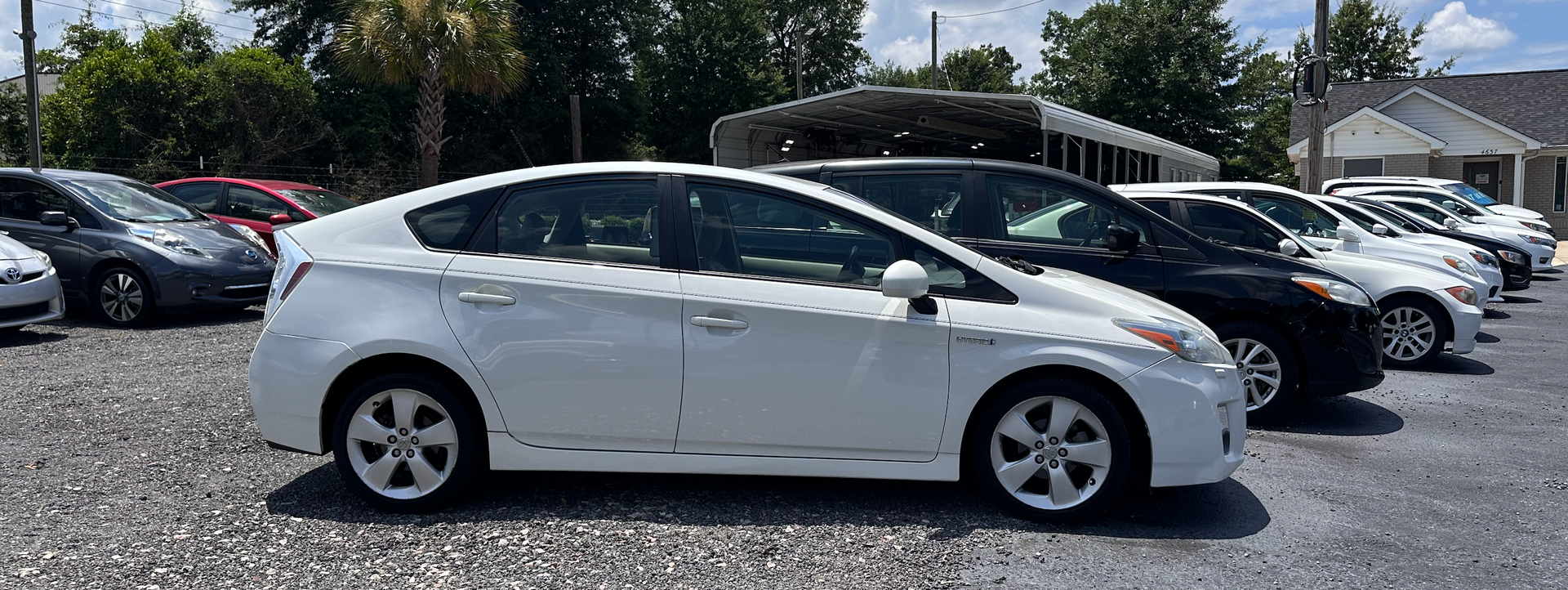
The Toyota Prius has earned a reputation as one of the most reliable hybrid vehicles ever built. It's not uncommon for a well-maintained Prius to reach 200,000 to 300,000 miles or more, making it a favorite among commuters and drivers looking for long-term dependability.
Like any vehicle, however, the Prius isn't completely maintenance-free. As mileage increases, certain components naturally wear over time. The good news is that many common Prius issues can be identified early through routine maintenance and inspections.
In this guide, we'll cover some of the most common Toyota Prius problems, what symptoms to watch for, and when it's a good idea to have your vehicle inspected.
Is the Toyota Prius Reliable?
Absolutely.
The Toyota Prius is widely considered one of the most dependable hybrid vehicles on the road. Many owners drive their Prius well beyond 200,000 miles with nothing more than routine maintenance and normal wear-and-tear repairs. Rather than expecting major failures, most Prius owners benefit from understanding which components naturally require attention as the vehicle ages.
1. Hybrid Battery Performance Changes
One of the biggest concerns among Prius owners is the hybrid battery.
While hybrid batteries are designed to last for many years, they naturally lose efficiency over time. A decrease in performance doesn't always mean the battery needs immediate replacement, but it should be evaluated if you notice changes in how your Prius drives.
Common signs include:
- Reduced fuel economy
- Frequent engine cycling
- Warning lights
- Reduced hybrid performance
The best way to determine the battery's condition is through professional diagnostics rather than guesswork.
Related Reading: How Long Does a Toyota Prius Hybrid Battery Last?
2. 12-Volt Battery Problems
Many Prius owners mistakenly believe every battery issue involves the hybrid battery.
In reality, the Prius also uses a standard 12-volt battery to power the vehicle's computers and electronic systems.
A weak 12-volt battery can cause:
- The Prius won't enter READY mode
- Multiple warning lights
- Electrical issues
- Starting problems
Fortunately, these symptoms are often much simpler—and less expensive—to address than a hybrid battery issue.
Related Reading: Toyota Prius 12-Volt Battery Problems
3. "Check Hybrid System" Warning
Seeing the Check Hybrid System warning can be alarming, but it doesn't automatically mean your hybrid battery has failed.
This warning simply indicates the hybrid system has detected a fault that requires diagnosis. The cause could involve the battery, cooling system, inverter, electrical components, or another part of the hybrid system.
Professional diagnostics are the fastest way to identify the underlying issue.
Related Reading: What Does "Check Hybrid System" Mean on a Toyota Prius?
4. Routine Maintenance Gets Overlooked
Ironically, one of the most common Prius "problems" isn't a failed component—it's delayed maintenance.
Regular maintenance helps protect your Prius from unnecessary wear and expensive repairs.
Key services include:
- Oil changes
- Tire rotations
- Brake inspections
- Fluid inspections
- Air filter replacement
- Cooling system maintenance
Following Toyota's recommended maintenance schedule is one of the easiest ways to maximize the life of your vehicle.
Related Reading: Toyota Prius Maintenance Schedule: Complete Guide for Every Mileage
5. Tire Wear & Alignment
Uneven tire wear is a common issue on many vehicles, including the Prius.
Common causes include:
- Incorrect tire pressure
- Missed tire rotations
- Wheel alignment issues
- Suspension wear
Regular tire inspections not only improve safety but also help maintain the fuel economy the Prius is known for.
6. Brake System Wear
Because the Prius uses regenerative braking, brake pads often last longer than those on traditional gasoline-powered vehicles.
That doesn't mean the braking system should be ignored.
Routine inspections help ensure both the regenerative and conventional braking systems continue operating properly.
Related Reading: Toyota Prius Brake Service: Why Hybrid Brakes Last Longer
7. Cooling System Maintenance
Your Prius relies on cooling systems to regulate engine and hybrid component temperatures.
Over time, coolant ages and cooling system components naturally wear.
Routine inspections help identify issues before they become larger repairs.
When Do These Problems Usually Occur?
Every Prius is different, but here's a general guide.
Under 50,000 Miles
Most vehicles only require routine maintenance and inspections.
Around 100,000 Miles
This is a good time to pay closer attention to:
- Suspension components
- Cooling system
- 12-volt battery
- Water pump
- Brake system
Around 150,000 Miles
Many owners begin monitoring:
- Hybrid battery performance
- Steering and suspension
- Cooling system
- Electrical components
200,000 Miles and Beyond
With consistent maintenance, many Prius vehicles continue providing reliable transportation well beyond 200,000 miles.
Preventative maintenance becomes increasingly important at this stage.
Which of These Sounds Like Your Prius?
If you're experiencing any of the following, we've created additional guides to help:
- My Prius won't start → Toyota Prius Won't Start? Common Causes & Solutions
- My hybrid battery seems weak → How Long Does a Toyota Prius Hybrid Battery Last?
- My dashboard says "Check Hybrid System" → What Does "Check Hybrid System" Mean?
- I'm due for maintenance → Toyota Prius Maintenance Schedule
- I'm seeing dashboard warning lights → Toyota Prius Warning Lights Explained
The Good News
The Toyota Prius has earned its reputation for reliability for a reason.
Most common Prius issues develop gradually and can often be identified during routine inspections before they lead to major repairs. Staying current with preventative maintenance is one of the best ways to keep your Prius reliable, efficient, and ready for the road ahead.
Why Choose Turnage Auto Care?
Since 2013, Turnage Auto Care has specialized in Toyota, Lexus, and hybrid vehicles. Whether you need routine maintenance, hybrid diagnostics, or help diagnosing a warning light, our experienced technicians are here to help keep your Prius performing at its best.
Schedule Your Toyota Prius Inspection
If your Prius isn't driving like it used to—or you're simply approaching a major mileage milestone—our team can help.
We'll perform a thorough inspection, explain what we find, and recommend the services your vehicle actually needs. No guesswork. No unnecessary repairs. Just honest advice from technicians who specialize in Toyota and hybrid vehicles.